IS_MIRRI21 Workshop in Poland | 23 OCT

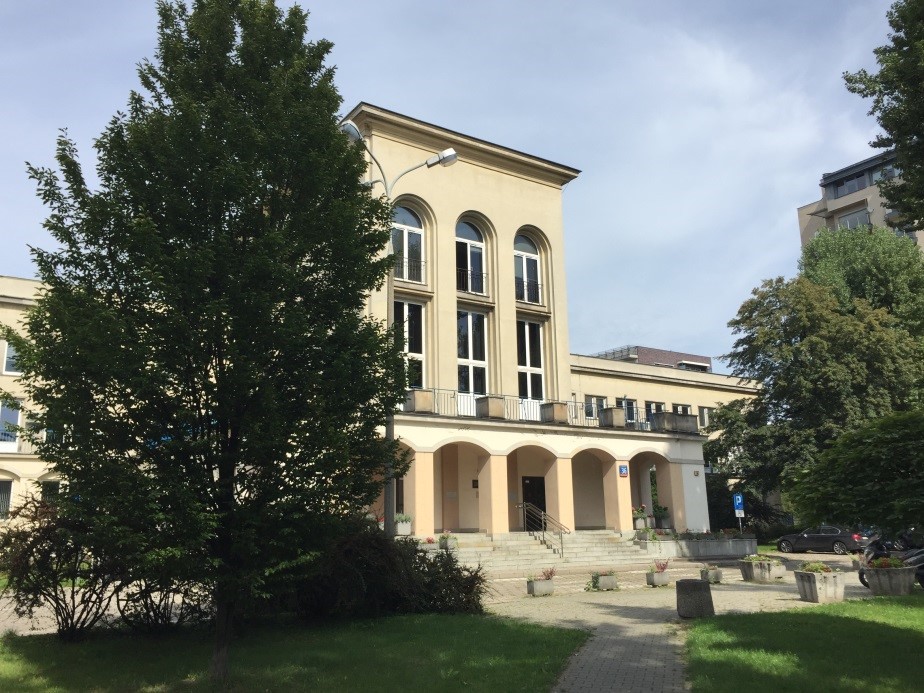
As IS_MIRRI21’s partner, the Institute of Agriculture and Food Biotechnology will host an event in Warsaw, Poland on 23 October 2020 with the aim of enlarging MIRRI’s partnerships. The workshop will be the first in a series which will take place under WP8. The invitees of the workshop include new potential partners from Polish Culture Collections (which covers different environment niches – e.g. medical and industrial), as well as Polish government representatives and policy makers. The purpose of the workshop is to strengthen MIRRI’s partnerships at a national level through the integration of a greater number of Culture Collections and obtaining higher biodiversity of microbiological resources.

Registration is mandatory but free. Participants can register here until 22 October 2020. For more information, contact Joanna Bucka-Kolendo and Kamila Daniluk at kkp@ibprs.pl.


Publisher: Institute of Agriculture and Food Biotechnology

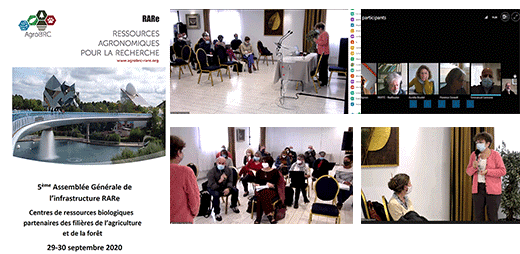
Presentation of IS_MIRRI21 at the 5th General Assembly of RARe: the French National Infrastructure for Biological Resources of Agronomical Interest

The International Centre of Microbial Resources, CIRM (France) participated at the 5th General Assembly of the RaRe research infrastructure as a member of IS_MIRRI21’s consortium. The meeting took place on the 29th and 30th of September 2020. RaRe brings together five networks of BRCs (Biological Resource Centres) that aims to maintain and distribute biological resources of animals, microorganisms, forests, plants and environmental sources. In his talk, Michel-Yves Mistou, the coordinator of INRAE-CIRM, presented IS_MIRRI21, highlighting its main objectives, the role of CIRM in the project and the project partners.


Publisher: Marwa Zaarour/Scientific project officer – IS_MIRRI21 project at INRAE-CIRM

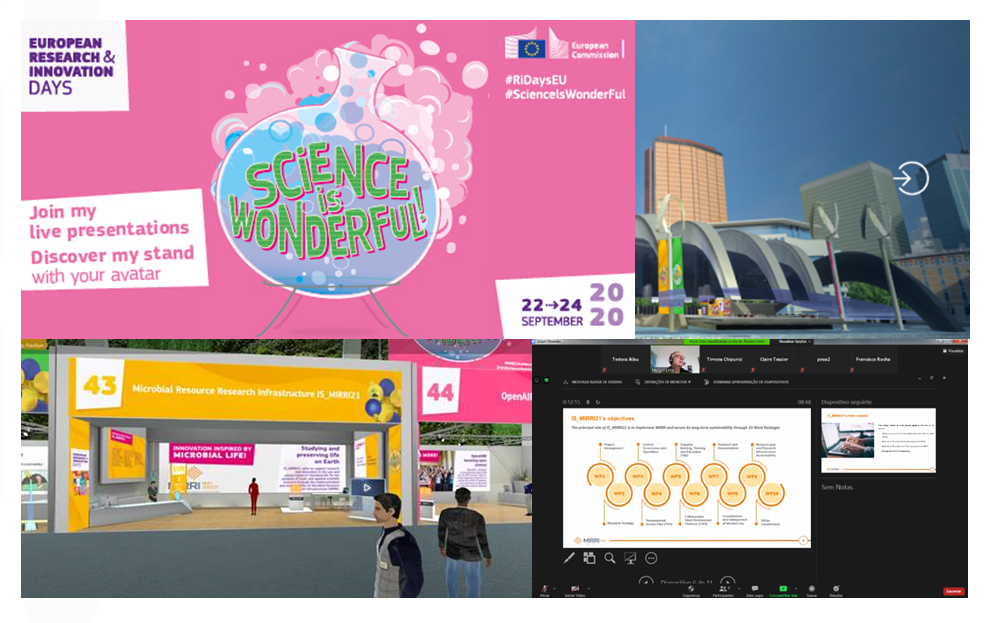
IS_MIRRI21 engages with citizens and stakeholders at the Science is Wonderful 2020 virtual event

IS_MIRRI21 won a place to join 39 other international projects to engage children, citizens and stakeholders at the Science is Wonderful online 2020 event from 22-24 September. As part of the European Research and Innovation Days, IS_MIRRI21 aimed to encourage and contribute to science communication and education of publics, with a special focus on citizens and stakeholders. As part of its objective to improve scientific knowledge and hard-core skills among its various stakeholders, the project partners – Universidad do Minho, Institut Pasteur, Universita Degli Studi Di Torino and Sociedade Portuguesa de Inovação, came together to develop an educational video entitled ‘Superbugs and amazing microbes’ about microorganisms and their effects on humans and the environment. IS_MIRRI21 held nine live presentations via Zoom which were accessible through the virtual booth of IS_MIRRI21 on the platform of the Science is Wonderful. Throughout the three days of the event, the partners and collaborators of IS_MIRRI21 conversed with many target audiences about the project’s vision and activities from the stance of the virtual booth. The event showed great level of creativity and encouragement toward public engagement and science education! As a European project with the aim of driving scientific progress internationally, IS_MIRRI21 looks forward to contributing to science communication and education of publics in the successive events with such foundation!       

Publisher: IS_MIRRI21 communications team

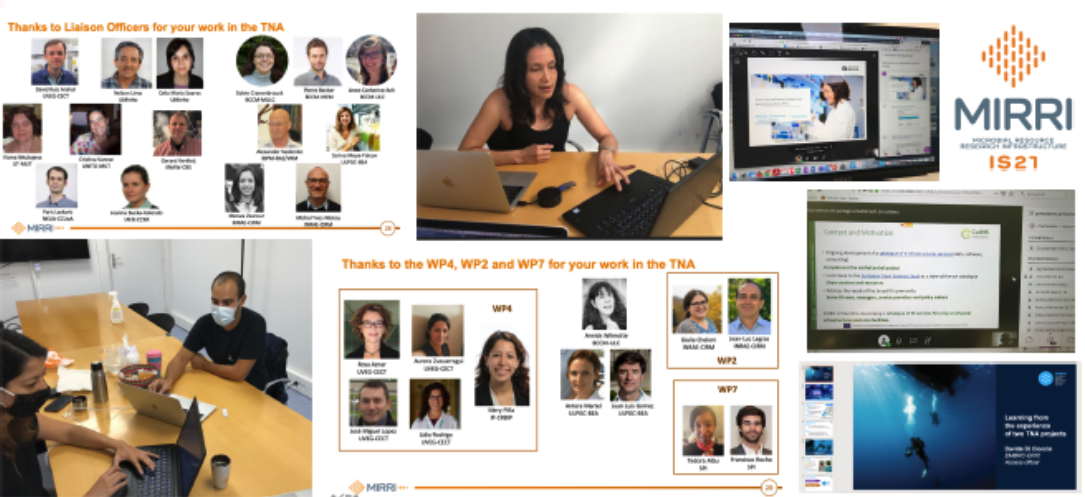
The first IS_MIRRI21 workshop “TNA: guidelines and procedures” took place on 21st and 22nd September 2020

The IS_MIRRI21 partner, Institut Pasteur (IP), organised and broadcasted this workshop to communicate to Liaison Officers and other IS_MIRRI21 members, the policies and procedures needed for the implementation of the Transnational Access pilot programme in the two calls planned for 2021 and 2022. A total of 40 people were connected during the 2 days of the workshop. The discussion focused on the guidelines and documents generated by the Access Officer, Liliana Avila-Ospina from Institut Pasteur and the activities coordinated by WP4, WP2 and WP7 such as the design of the TNA workflows, communication activities and creation of the TNA online portal. We also had the opportunity to learn first-hand experiences about the management of TNA programmes and RI access platforms from our collaborators Ana Helman – CatRIS and Davide DiCioccio – EMBRC-ERIC. A special session to discuss the challenges related to the TNA costs involved the participation of Maëlle Pichard and Valeria Martin from the IP grant office.

Publisher: Mery Piña/Deputy director of the CRBIP and Liliana Avila-Ospina/Access officer – IS_MIRRI21 project at the Institut Pasteur.

IS_MIRRI21 participates in EU project MicrobiomeSupport

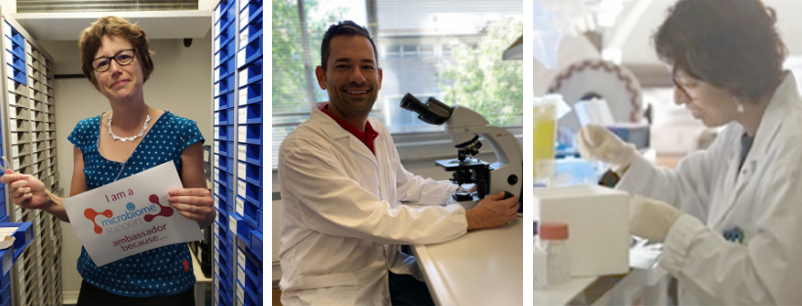
Three of IS_MIRRI21’s partners, Institut Pasteur (France), University of Torino (Italy) and Institut National de la Recherche Agronomique (France), presented three microbe enthusiasts who are biologists currently active in their field, for the World Microbiome Day Stories. The aim of this exciting initiative for IS_MIRRI21 was to showcase how microorganisms are the supporters of human lives and that it is easy to fall in love with their complexity and power if we learn more about them. These three biologists from IS_MIRRI21 expressed their interest and love for microorganisms so that all microbe fans around the world can understand why many scientists choose to study and preserve microbes with care and security.  #MicrobiomeAmbassador is an online campaign initiated by the EU project MicrobiomeSupport to use social media to connect all microbe lovers so that they can share why they love microbes and their communities. To read about how Mery, Perrine and Ilario interact with microbes every day, please visit the World Microbiome Day website.

Perrine Portier / Ilario Ferrocino / Mery Piña

IS_MIRRI21 Kick-off Meeting

IS_MIRRI21, the three-year long Horizon 2020 European Union funded project was successfully launch on the 25th and 26th of March 2020 through a teleconference. It brought together 14 Consortium members, eight third parties and many interested parties. As a project, IS_MIRRI21 aims to establish and support the research Infrastructure Microbial Resource Research Infrastructure (MIRRI) as a self-sustainable entity.

The Kick-off meeting was attended by 57 participants and moderated by Professor Nelson Lima and his team on behalf of the project coordinator, University of Minho. Initially planned to be conducted in Braga (Portugal), the meeting was moved to an online setting due to the outbreak of COVID-19.

Through its activities, the project envisions the establishment of science policy in Europe and will reach out to scientific communities and industries in third countries. By the end of the project’s lifetime in January 2023, IS_MIRRI21 intends to have implemented a multifaceted scientific research infrastructure which sustains and preserves microorganisms.

As building blocks, IS_MIRRI21 has ten Work Packages to implement various activities with objectives to provide raw microbial materials, institute training and educations courses, form an international scientific network and create a collective platform to facilitate knowledge transfer among scientific and non-scientific professionals. At the kick-off meeting, each Work Package was presented by individual Work Package leaders with the support from members of the Advisory and Ethical Boards.

IS_MIRRI21 has now launched its project website and begun implementing its action plans for 2020 through the establishment of the multidimensional and efficient virtual platform, Collaborative Work Environment, for the provision of its services and countless more offers.  

Publisher: IS_MIRRI21 communication team

University Of Perugia (UNIPG)


Link to the project Consortium: UNITO

University Of Perugia (UNIPG) through the Department of Agricultural, Food and Environmental Sciences of the (DBVPG) is a linked third party in force of the statute of the Italian Joint Research Unit (JRU) MIRRI-IT aimed at the implementation of the Italian node of MIRRI-ERIC. The JRU is hosted by the University of Turin. The Industrial Yeasts Collection DBVPG of the Department of Agricultural, Food and Environmental Sciences of the University of Perugia, is a Biological Resource Centre (BRC) specialised in the study and ex-situ conservation of yeasts and yeast-like microorganisms. Its main objectives are the acquisition, classification, preservation and distribution of cultures of yeast and yeast-like organisms. The collection of DBVPG preserves over 6,000 yeast strains, isolated from different technological and natural environments (including Antarctica). The research programs of the Collection DBVPG are principally focused on the study of taxonomy, biodiversity and biotechnology of yeasts. Additionally, the Collection DBVPG offers various services including identifications, screening for the production of molecules for technological applications, patent deposits and training courses. The Collection DBVPG acquired the WIPO International Depositary Authority (IDA) status since 1998. DBVPG strives to support the implementation of joint activities aimed at consolidation, strengthening and expansion of the MIRRI research infrastructure, both at national and European level, and its impact in terms of science and innovation, even participating jointly or individually to research funding programmes. It is an internationally recognised biobank with specific skills and expertise, very useful for the project and a member of the European Culture Collection Organisation (ECCO) and the World Federation Culture Collection (WFCC).

The National Research Council (CNR)

Link to the project Consortium: UNITO

The National Research Council (CNR) is a linked third party in force of the statute of the Italian Joint Research Unit (JRU) MIRRI-IT aimed at the implementation of the Italian node of MIRRI-ERIC. The JRU is hosted by the University of Turin. CNR is the largest public research facility in Italy. Since 1989, the CNR has been recognised as a research organisation, with the mission to carry out research projects, promote innovation and competitiveness of the national industrial system, internationalisation of the national research system, and provide technologies and solutions to emerging needs in the public and private sector. The different Departments of CNR hold important collections of microorganisms (i.e. the Agro-food Microbial Culture Collection ITEM that host more than 13000 strains or the IBP Collection of bacteria from extreme environment. CNR aims to support in the implementation of joint activities aimed at consolidation, strengthening and expansion of the MIRRI research infrastructure, both at national and European level, and its impact in terms of science and innovation, even participating jointly or individually to research funding programmes. It is an internationally recognised biobank with specific skills and expertise, very useful for the project and a member of the European Culture Collection Organization (ECCO) and the World Federation Culture Collection (WFCC). 

University of Modena and Reggio Emilia (UNIMORE)


Link to the project Consortium: UNITO

The University of Modena and Reggio Emilia (UNIMORE) is a linked third party in force of the statute of the Italian Joint Research Unit (JRU) MIRRI-IT aimed at the implementation of the Italian node of MIRRI-ERIC. The JRU is hosted by the University of Turin. UNIMORE houses the agro-food microbial collection Unimore Microbial Culture Collection (UMCC), which offers service for research, teaching, and industrial applications. UMCC holds 2,700 strains including yeasts, lactic bacteria and acetic acid bacteria, isolated from different food and beverages. UMCC harbours competences on functional starter cultures for food and industrial fermentation processes. It also combines field experiments, isolation and identification of microorganisms, qualitative and quantitative studies of microbial functionalities by modelling expertise. UNIMORE aims to support in the implementation of joint activities aimed at consolidation, strengthening and expansion of the MIRRI research infrastructure, both at national and European level, and its impact in terms of science and innovation, even participating jointly or individually to research funding programmes. It is an internationally recognised biobank with specific skills and expertise, very useful for the project and a member of the European Culture Collection Organization (ECCO) and the World Federation Culture Collection (WFCC). 

The Ospedale Policlinico San Martino (USMI)


Link to the project Consortium: UNITO

The Ospedale Policlinico San Martino (USMI) of Genoa is a linked third party in force of the statute of the Italian Joint Research Unit (JRU) MIRRI-IT aimed at the implementation of the Italian node of MIRRI-ERIC. The JRU is hosted by the University of Turin. USMI is a University Hospital. It is recognised by the Italian Ministry of Health as a Scientific Institute for Research, Hospitalisation and Health Care (IRCCS), the highest certification in Italy for hospitals involved in Health Research. It provides better care and prevention of diseases through basic, translational and clinical research. Fields of research activity include epidemiology, risk factors and primary prevention, cellular, molecular and structural biology, genomics and proteomics, tumour immunology and integrated approach to cancer therapy. USMI has a long experience in data management for biological resources and it currently manages CABRI Network Services. USMI will contribute in the activities relating to the implementation of the Collaborative Work Environment Platform in IS MIRRI21. It is an internationally recognised biobank with specific skills and expertise, very useful for the project and a member of the European Culture Collection Organization (ECCO) and the World Federation Culture Collection (WFCC).